In-Room Dining in 2026: Why a Digital Menu Is No Longer Optional for Hotels
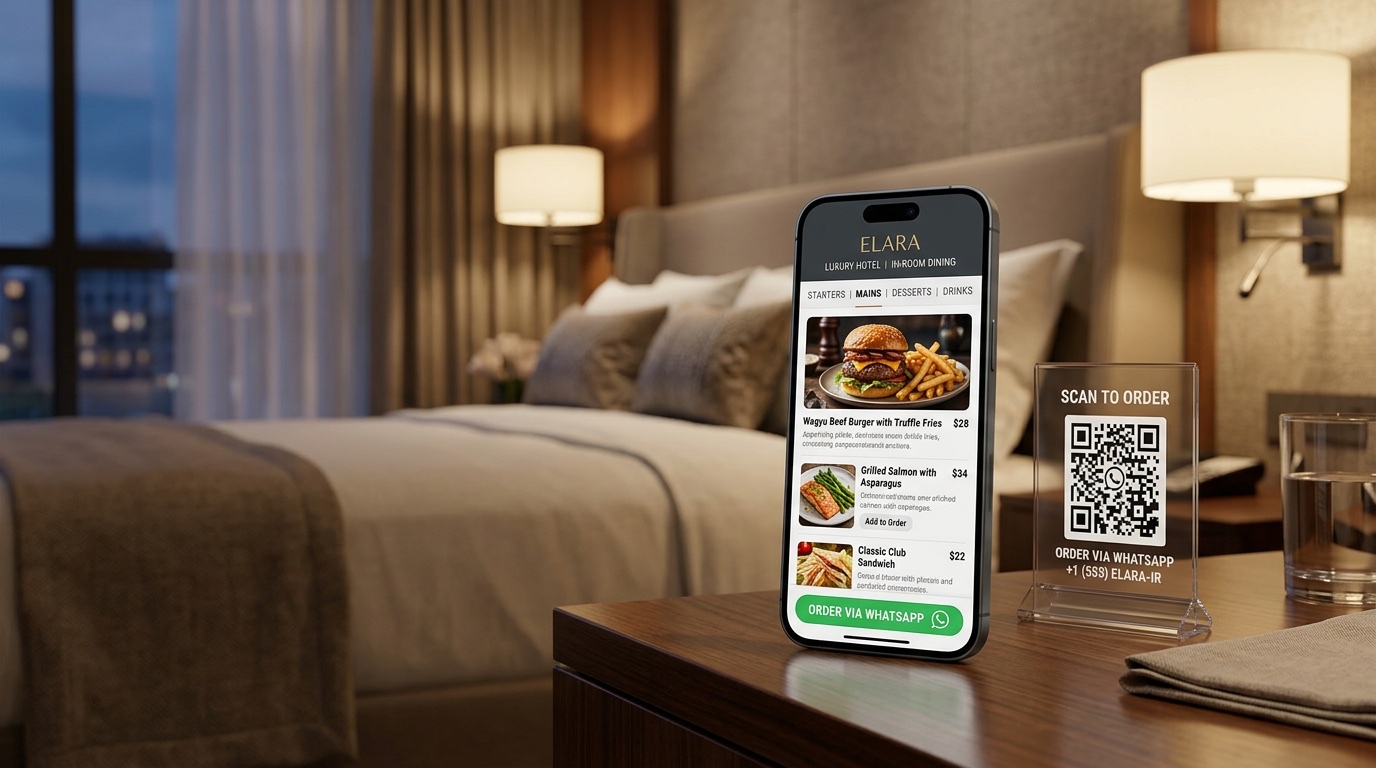
Walk into any hotel room in India and look at the in-room dining menu. It’s almost always one of two things — a laminated card sitting on the desk, or a multi-page folder next to the television. It lists everything the hotel kitchen can make, divided into time slots, with small-print notes explaining what’s available when.
The guest rarely reads the notes. And the hotel pays for that, every single service.
In-room dining (IRD) is one of the most revenue-significant touchpoints in a hotel — and one of the most poorly served by technology. The reason isn’t a lack of options. It’s that most hotels haven’t looked closely enough at the three specific problems a digital menu solves that a printed card never can.
The Three Problems with a Printed IRD Menu
An in-room dining menu isn’t a single menu — it’s four or five menus printed on the same card. Breakfast items available 7:00 AM to 11:00 AM. All-day items 11:00 AM to 3:00 PM. Evening snacks 3:00 PM to 7:30 PM. Dinner 7:30 PM to 11:30 PM.
The sections are labelled. The timings are noted. And guests still order outside the active session — because they’re hungry, they’re in a hurry, or they simply didn’t notice the small print at the top of a section they scrolled past.
What happens next is an awkward phone call. The kitchen or reception staff has to explain that the paneer tikka on the menu isn’t actually available at 10:00 AM. The guest is frustrated. The staff is embarrassed. And the hotel has delivered a poor experience for a reason that was entirely predictable.
A digital menu eliminates this entirely. The session is detected automatically — showing the guest only what the kitchen can prepare right now. Not a different heading. Not a note in italics. A completely clean menu, with only the active items visible.
On a digital menu, the guest only sees the active session. The rest doesn’t exist until its time slot arrives.
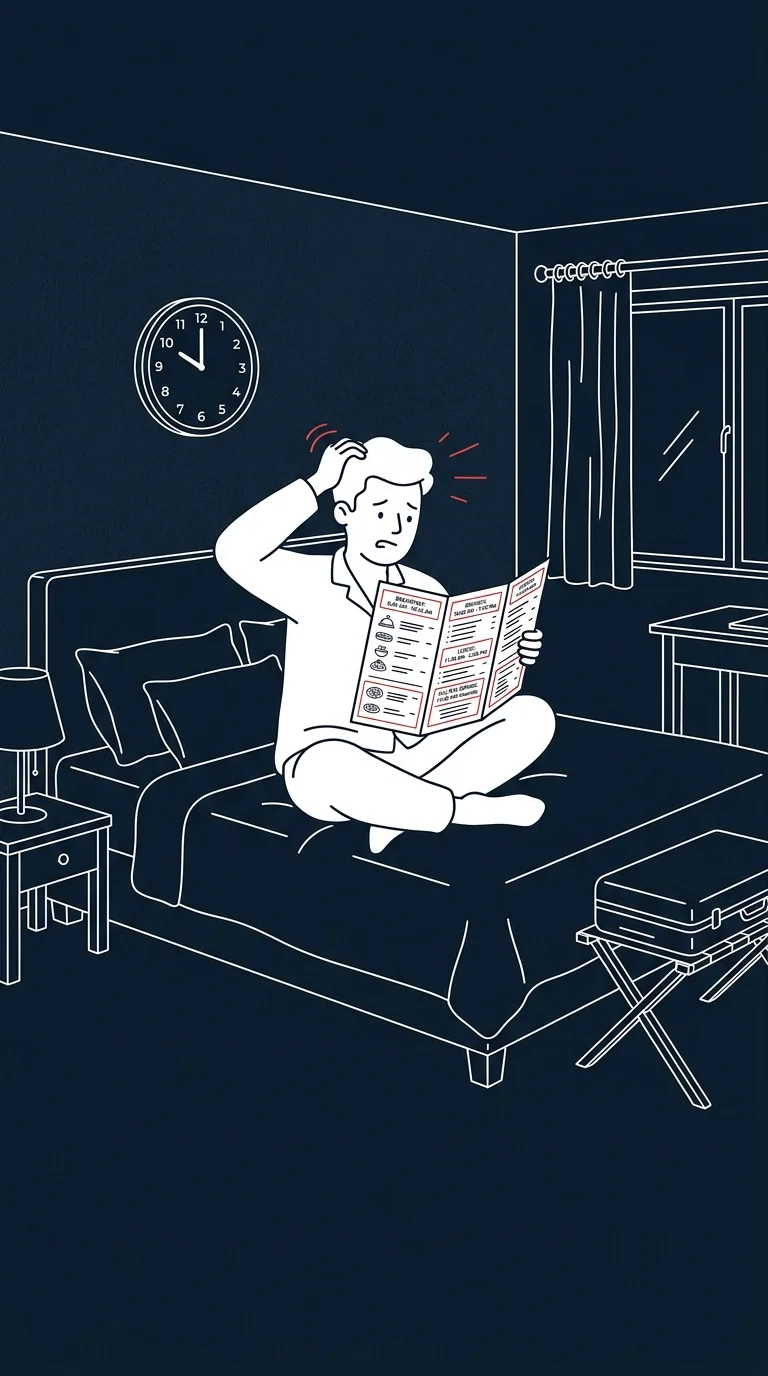
No confusion. No awkward calls. No kitchen rejection. The guest sees exactly what they can order, and nothing they can’t.
A restaurant menu goes back to a shelf or host station at the end of service. An in-room dining menu never leaves the room. It sits on the desk, the bedside table, or the bathroom counter — for every guest, every day, across every season.
Children draw on it. Tea cups leave rings on it. Water spills on it. Guests fold it, roll it, and use it as a coaster. And because it’s in a private room rather than in staff hands, nobody notices when it’s deteriorating until a guest complains — or until the next housekeeping inspection reveals something embarrassing.
Reprinting IRD menus is a recurring operational expense that hotels rarely calculate accurately. Design, print, lamination, and manual distribution across every room — and it has to happen every time an ingredient price changes, a dish is added, or a seasonal item rotates in. Which means it often gets delayed, and the menu quietly goes out of date.
The hidden cost nobody tracks: A hotel with 50 rooms reprinting IRD menus twice a year — with design, lamination, and distribution — can spend ₹15,000–₹25,000 per print run. That’s before accounting for the weeks the old menu stays in rooms because replacement hasn’t been prioritised.
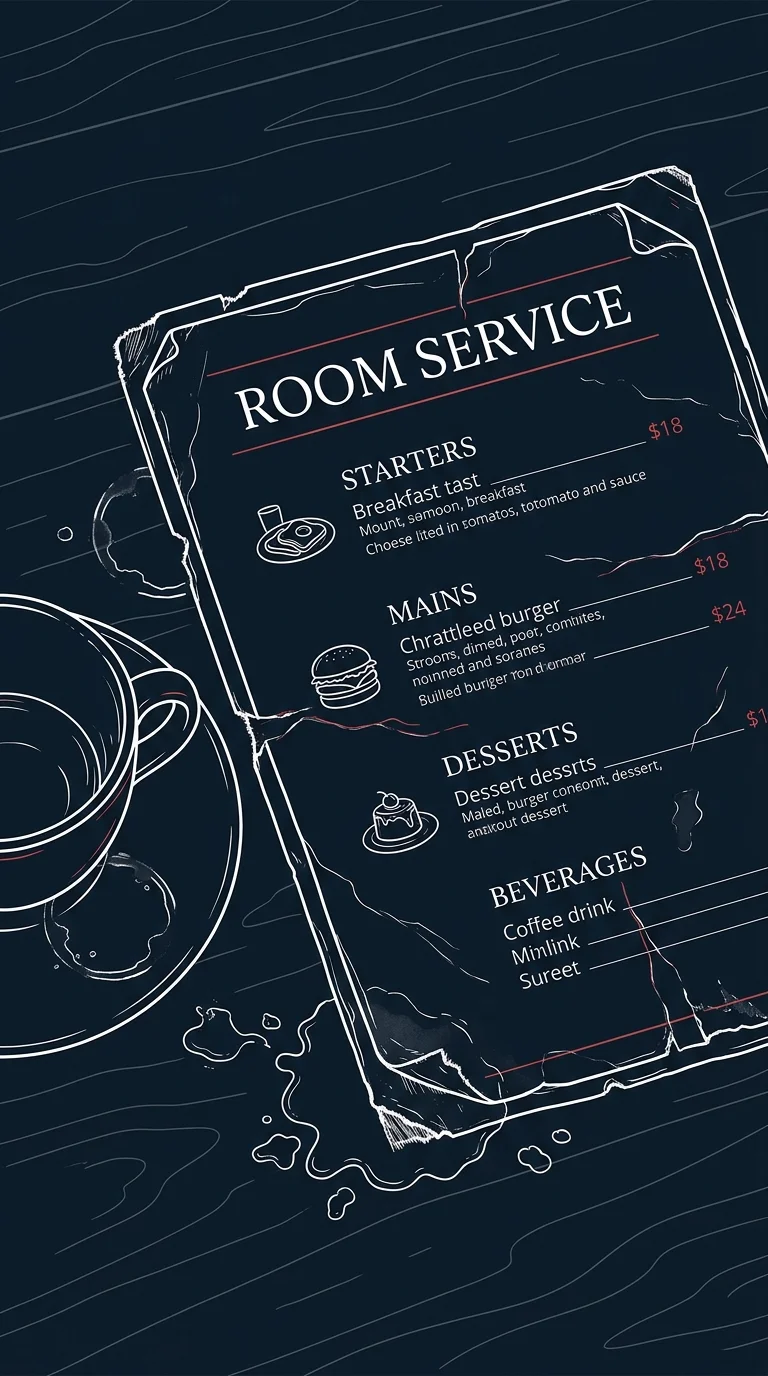
A digital menu lives on a QR code. The standee or acrylic sticker in the room is durable, waterproof, and replaceable in minutes. The menu itself — the live catalogue — is updated from a cloud dashboard the moment anything changes. Every guest who scans after the update sees the current dishes and prices immediately. No reprint. No lag. No stale prices sitting in 40 rooms while the kitchen has already moved on.
This is the revenue leakage most hotels haven’t fully calculated.
The hotel’s main restaurant closes at night. The billing terminal shuts down — typically around 11:30 PM. The morning shift picks it up again around 7:30 AM. That’s an 8-hour window every single night where the hotel still has paying guests in rooms, those guests are still hungry or thirsty, and there is no billing infrastructure or operator to handle an in-room dining order properly.
What happens today when a guest calls for a late-night bite, mineral water, or an early morning tea before 7:30 AM? When the POS closes at night, one of three things typically occurs:
- The duty night staff takes the order on scrap paper, informs the night cook verbally, and hopes to reconcile the revenue the next morning — if they remember during shift handover.
- The guest is told the kitchen is closed and service is unavailable.
- The order is prepared, delivered to the room, and no revenue is ever billed or recorded.
None of these are acceptable. And all of them are completely avoidable.
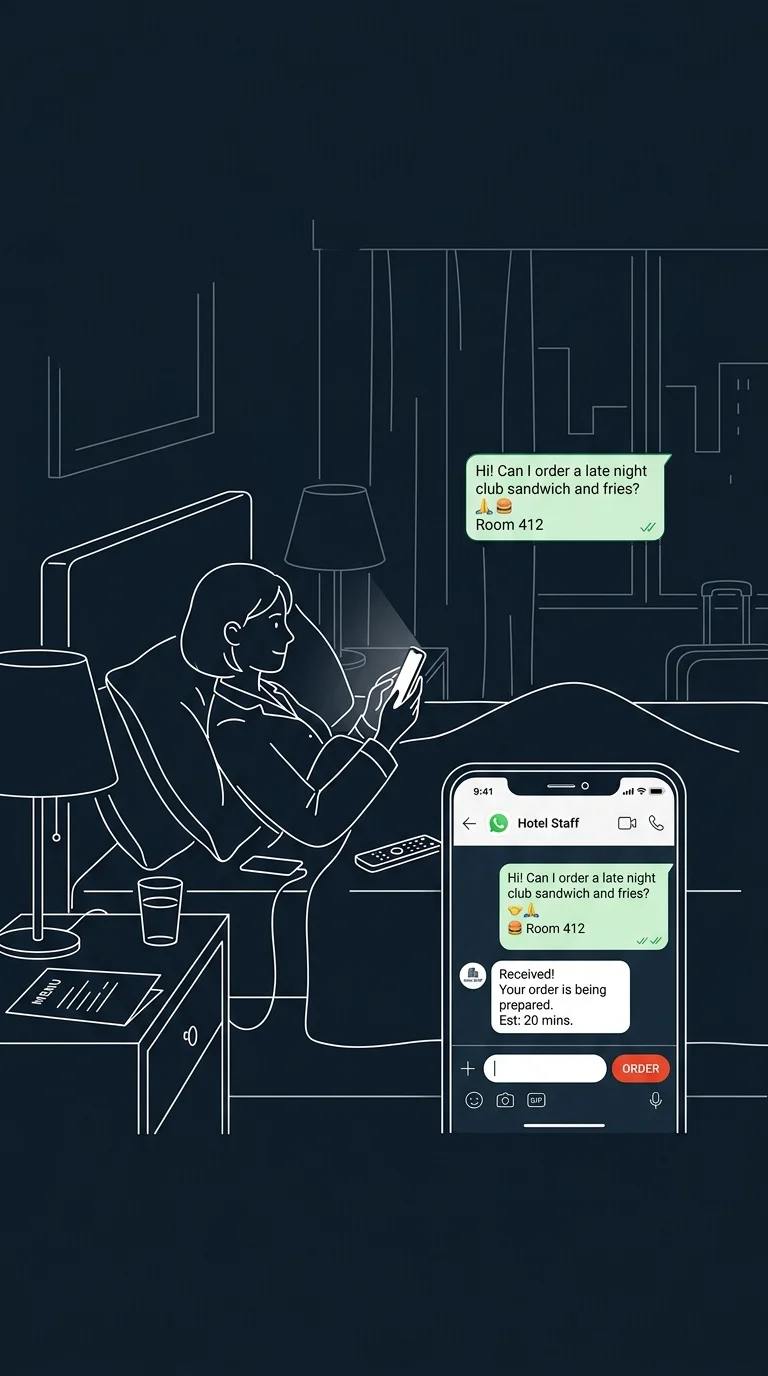
With a digital menu and WhatsApp ordering, the guest scans the room QR code, sees the active late-night or early-morning menu, and places the order directly via WhatsApp. The order arrives instantly on the duty staff’s smartphone with the exact room number and item details. The kitchen gets clear instructions, and the guest gets prompt service.
No POS terminal needed. No billing operator required on duty. No paper chits that vanish during the morning handover. The order is timestamped and documented on WhatsApp — transparent, traceable, and reconcilable the next morning.
The revenue argument: If a 50-room hotel captures even 3 additional late-night or early-morning orders per week at an average ticket size of ₹400, that is roughly ₹62,400 of previously lost revenue per year. Revenue that was always there — just waiting for a frictionless way to be captured.
Printed IRD Card vs Digital IRD Menu
| Printed / Laminated IRD Card | Digital In-Room Dining Menu |
|---|---|
| Shows all sessions at once — guests frequently order outside active meal hours | Shows only the active session automatically based on current time |
| Wears out, gets tea stains, torn edges, and goes missing | QR standee or sticker is durable; digital content is always pristine |
| Price change requires complete reprint and room-by-room redistribution | Price change requires one dashboard edit, live across every room immediately |
| Orders halt or get missed when the POS closes at night | WhatsApp ordering functions 24/7 without needing an active POS operator |
| No dish photographs due to physical space limitations | Every dish can feature high-definition photos and appetizing descriptions |
| English only in most properties | Supports multi-language menus so regional and international guests feel at home |
| Recurring reprint and lamination costs on every minor revision | Predictable SaaS subscription with zero print expenditure |
What Changes for the Guest
The hotel guest doesn’t think about systems, integrations, or operational architecture. They don’t know what a session-aware menu is. They don’t know when the billing desk shuts down. What they experience is simpler:
They scan a code in their room, see a clean menu of what they can actually order right now, and place their order without a phone call — at any hour of the day or night.
That is the entire experience. No frustration about timing. No call to reception to ask “what’s available right now?”. No waiting on hold while the phone rings out. No order that gets garbled or forgotten in a shift change. The experience feels effortless because the system behind it is doing the heavy lifting.
For pilgrimage and religious tourism properties: Hotels situated near temples and spiritual destinations — where guests arrive at unusual hours, observe specific dietary practices (such as Jain or vegan food without onion/garlic), and often prefer reading in regional languages — benefit immensely from a session-aware digital menu. Guests can apply dietary filters and select their preferred language instantly without needing staff assistance.
What Changes for the Hotel
For the hotel property, the transformation is operational as much as it is financial.
Front desk and room service staff stop fielding repetitive calls asking what’s available. The kitchen stops receiving orders for items that prep stations aren’t set up to make at that hour. The night manager stops scrambling to balance handwritten chits during morning audits. And the General Manager stops looking at room dining revenue numbers that are artificially depressed by an 8-hour nightly void in billing capability.
The menu management workflow becomes frictionless:
- Adding a weekend chef’s special takes thirty seconds.
- Adjusting prices ahead of peak holiday seasons is instant.
- Marking an ingredient or dish sold out takes a single tap on the dashboard, updating every room at once.
No waiting for printers. No distributing cards floor by floor. No guest holding yesterday’s menu while the kitchen has already moved on.
Learn more about live digital menus: What Is a Digital Menu? (And Why a PDF Behind a QR Isn’t One) →
eresto digiMenu for Hotels
Bring session-aware menus, dish photographs, multi-language support, and WhatsApp ordering into a single digital in-room dining experience — managed from one dashboard, live in every room immediately.
Book a Free Demo with eresto →Frequently Asked Questions
What is the difference between a printed IRD menu and a digital in-room dining menu?
A printed IRD menu shows all meal sessions at once, wears out with use, and cannot be updated without reprinting. A digital in-room dining menu shows only the active session automatically, is always up to date, and allows guests to order via WhatsApp even when the POS is closed.
How does a digital menu handle different meal sessions for in-room dining?
A session-aware digital menu detects the current time and shows only the dishes available in the active meal period — breakfast, all-day, evening snacks, or dinner. Guests cannot see or order items from a session that is not currently active, eliminating kitchen rejections and guest confusion.
Can guests order in-room dining when the hotel POS is closed?
Yes — with WhatsApp ordering enabled on the digital menu. When the guest scans the QR code in the room, they see the active session menu and can place an order directly via WhatsApp. The order reaches the duty staff’s phone without needing the POS to be open or a billing operator on duty.
How much does a hotel spend on reprinting in-room dining menus?
A hotel with 50 rooms reprinting IRD menus twice a year — including design and lamination — can spend ₹15,000–₹25,000 per print run. A digital menu replaces this with a monthly subscription and eliminates reprinting entirely. Updates are made from a dashboard and go live in every room immediately.
Does a digital in-room dining menu work for pilgrimage and religious tourism hotels?
Yes — particularly well. Hotels near temples and pilgrimage sites often serve guests who arrive at unusual hours, follow specific dietary practices (Jain, vegan), and prefer content in regional languages. A digital menu with session-aware display, dietary filters, and multi-language support addresses all of these needs without staff intervention.
Do hotel guests need to download an app to use a digital in-room dining menu?
No. The menu opens directly in the guest’s mobile browser when they scan the QR code in the room. No app download, no registration, no friction.